
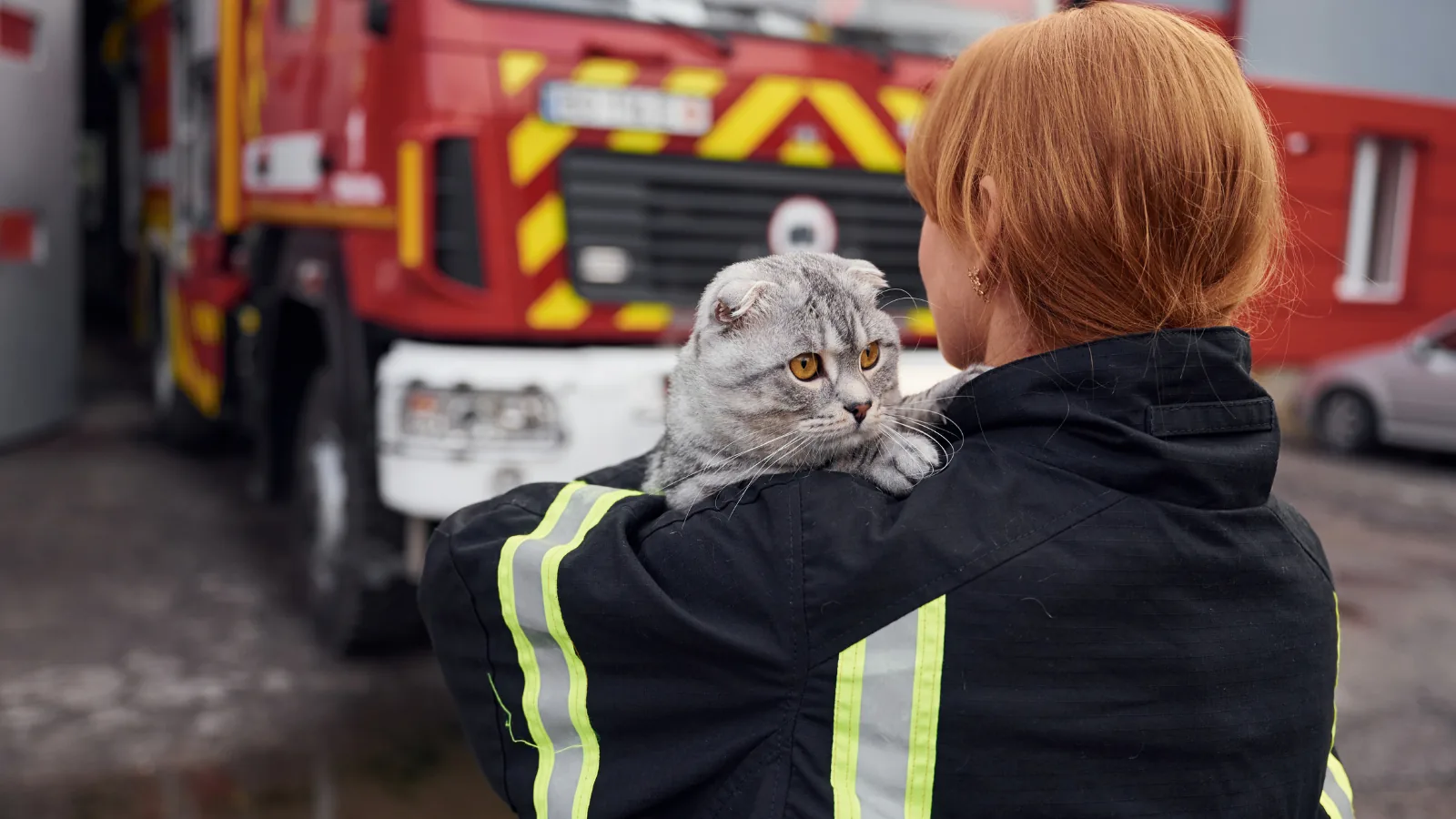
A quiet Saturday afternoon in Zurich, the sun is shining over the lake, and the weekend is unfolding exactly as planned. Suddenly, the peace is shattered. Your dog collapses, your cat is having trouble breathing, or your pet has ingested something potentially toxic. Panic sets in, and a single, urgent question fills your mind: "What do I do now?" In these critical moments, having a clear plan and reliable information is not just helpful—it is essential. This guide provides a factual, step-by-step approach for pet owners in Canton Zurich facing a veterinary emergency on a weekend or holiday, ensuring you can act quickly, calmly, and effectively to get your animal the care it needs.
Recognizing a True Veterinary Emergency
The first challenge for any pet owner is distinguishing between a minor issue that can wait until Monday and a genuine, life-threatening emergency. While your instinct is a valuable guide, certain clinical signs demand immediate professional attention. If your pet exhibits any of the following, you should consider it a critical situation.
* Severe Respiratory Distress: This includes laboured or shallow breathing, constant coughing or choking, or a blueish tint to the gums and tongue (cyanosis). Breathing difficulties can escalate rapidly and indicate serious heart or lung problems.
* Loss of Consciousness or Collapse: If your animal faints, is unresponsive, or cannot stand up, it is a clear emergency. This can be caused by a multitude of severe conditions, from internal bleeding to cardiac events.
* Persistent Vomiting or Diarrhoea: A single episode is rarely a crisis. However, multiple bouts in a short period, especially if accompanied by blood, lethargy, or signs of pain, can lead to severe dehydration and may signal a blockage or poisoning.
* Significant Bleeding: Any wound that bleeds profusely or does not stop bleeding after five minutes of direct pressure requires immediate veterinary care. This applies to external wounds as well as suspected internal bleeding (e.g., pale gums, a swollen abdomen, coughing up blood).
* Major Trauma or Severe Injury: This includes obvious broken bones, deep lacerations (especially from animal attacks), being hit by a vehicle, or falling from a significant height. Even if the animal appears fine initially, internal injuries are a major risk.
* Seizures: A seizure (convulsions, uncontrolled muscle spasms, loss of awareness) that lasts more than three minutes or is followed immediately by another one (cluster seizures) is a life-threatening event requiring urgent intervention.
* Signs of Heatstroke: In warm weather, excessive panting, drooling, disorientation, vomiting, and collapse are classic signs of heatstroke. This condition can cause irreversible organ damage within minutes.
* Bloated, Hard, or Distended Abdomen: This is particularly critical in deep-chested dog breeds (e.g., Great Danes, German Shepherds). It can be a symptom of Gastric Dilatation-Volvulus (GDV), or "bloat," a condition where the stomach twists and cuts off blood supply. It is fatal without immediate surgery.
* Acute Paralysis or Inability to Move: Sudden weakness or the inability to use one or more limbs can indicate a spinal cord injury, a blood clot (e.g., aortic thromboembolism in cats), or a neurological problem.
* Suspected Poisoning: If you have seen your pet ingest a known toxin (e.g., antifreeze, rodent poison, human medication, xylitol, toxic plants like lilies or tulips) or it is showing symptoms like drooling, vomiting, seizures, or disorientation, do not wait.
If you observe any of these signs, your priority must be to seek veterinary help without delay.
Immediate Steps: Your First Response
When an emergency occurs, your own calmness is a critical tool. Your pet will sense your panic, which can increase its stress and heart rate. Follow these steps methodically.
1. Ensure Safety: First, secure your pet to prevent further injury. If you are near a road, move it to a safe location. A scared and pained animal may bite out of fear, even its owner. Approach cautiously. For dogs, a makeshift muzzle using a leash or bandage can be applied if necessary, but never if the animal is vomiting or has difficulty breathing.
2. Call Ahead: This is the most important step. Do not just drive to the nearest clinic. You must call an emergency service first. This accomplishes several things:
* It confirms the clinic is open and accepting emergencies.
* It allows the veterinary team to prepare for your arrival (e.g., set up an oxygen cage, prepare surgical instruments).
* The staff can provide crucial first-aid instructions for you to follow during transport.
* They can help you determine if your situation is a true emergency.
3. Do Not Administer Human Medication: Never give your pet human painkillers like paracetamol (acetaminophen) or ibuprofen. These are highly toxic to dogs and cats and can cause severe liver or kidney failure, making the situation much worse.
4. Gather Information: While preparing to leave, try to gather any relevant information for the vet. When did the symptoms start? Did the animal eat anything unusual? If poisoning is suspected, take a photo of the substance's packaging or bring a sample of the plant with you.
Key Emergency Contacts in the Zurich Area
During evenings, weekends, and public holidays, your regular veterinarian is likely closed. Fortunately, Canton Zurich has dedicated facilities to handle emergencies. Keep these numbers saved in your phone.
The University Animal Hospital (Tierspital Zürich)
This is the largest and most comprehensive 24/7 emergency facility in the region. As a university teaching hospital, it is equipped with state-of-the-art diagnostic tools and staffed by specialists in various fields.
* Location: Winterthurerstrasse 260, 8057 Zürich
* Emergency Number (Small Animals): 044 635 81 11 (24/7)
* What to Expect: The Tierspital operates on a triage system, meaning patients are treated based on the severity of their condition, not their arrival time. A dog with severe breathing difficulty will be seen before a cat with a minor laceration, even if the cat arrived first. Be prepared for potential waiting times if your pet's condition is stable.
VetZentrum (Emergency Clinic Zurich)
Conveniently located near Letzigrund, this clinic is specifically designed for out-of-hours emergencies, working in collaboration with many local practices.
* Location: Bernerstrasse Nord 180, 8064 Zürich
* Emergency Number: 044 461 44 44
* What to Expect: This clinic is focused entirely on emergency and critical care during nights and weekends. Their staff is experienced in handling urgent cases efficiently. Always call ahead to announce your arrival.
Tox Info Suisse
For any suspected poisoning, this is your first and most critical call. They can provide immediate, life-saving advice on what to do next.
* Emergency Number: 145 (24/7)
* What to Expect: Be ready to provide information about your pet (species, weight), the substance ingested, the amount, and the time of ingestion. Their experts will tell you how toxic the substance is and whether immediate veterinary intervention is required. They advise the public and medical professionals, so their guidance is reliable. You should still call and go to a vet, but the information from Tox Info Suisse will be invaluable for the veterinary team.
Preparing for the Trip to the Emergency Clinic
Once you have called ahead and are preparing to leave, gather a few essential items. A prepared "go-bag" can save precious time.
* Your Pet's Records: If easily accessible, bring your pet's vaccination pass (`Impfpass`) and any notes on pre-existing medical conditions or current medications.
* The Toxin/Foreign Object: If a poisoning or ingestion is suspected, bring the product packaging, a sample of the plant, or whatever remains of the object your pet ate.
* A Blanket or Towel: Use this to keep your pet warm and comfortable. It can also be used as a makeshift stretcher to carry a larger dog without causing further injury.
* Your ID and Payment Method: Emergency services must be paid for at the time of treatment. Be prepared with a credit card or debit card.
* A Muzzle (if safe to use): As mentioned, pain can make even the most gentle animal unpredictable.
For transport, keep your pet confined in a carrier (for cats and small dogs) or secured on the back seat with a harness. Drive carefully and have another person accompany you if possible, so one person can focus on driving while the other comforts the animal.
Basic First Aid for Common Situations
The advice you receive over the phone from the emergency clinic should always be your primary guide. However, here are some basic first-aid measures that can be applied in specific situations while you are on your way to the clinic.
For Controlling Severe Bleeding
Apply direct and firm pressure to the wound using a clean cloth, towel, or sterile gauze. Hold the pressure continuously for at least 5-10 minutes. Do not remove the cloth if it becomes soaked with blood; instead, add another layer on top. Only use a tourniquet as an absolute last resort for a limb with life-threatening bleeding and only if you have been instructed to do so by a veterinary professional, as it can cause permanent tissue damage.
In Case of a Seizure
Your main goal is to prevent your pet from injuring itself.
1. Move any furniture or hard objects away from the animal.
2. Do not attempt to hold your pet down or put anything in its mouth. They will not swallow their tongue.
3. Time the seizure. This information is very useful for the veterinarian.
4. After the seizure ends, the animal will be disoriented (the "post-ictal" phase). Speak to it in a calm, reassuring voice and keep the environment quiet and dimly lit as you prepare for transport.
For Suspected Heatstroke
Immediate cooling is critical but must be done correctly.
1. Move your pet to a cool, shaded area immediately.
2. Apply cool (not ice-cold) water to its body. Focus on the paws, groin, and neck area where major blood vessels are close to the surface. Using water that is too cold can constrict blood vessels and hinder cooling.
3. Place the pet in front of a fan or air conditioner vent in the car during transport.
4. Offer small amounts of water to drink, but do not force it.
5. Even if your pet seems to recover, you must still go to the vet. The risk of internal organ damage is very high.
Understanding the Costs of Emergency Care
It is important to be financially prepared for a veterinary emergency. Services provided outside of normal business hours are significantly more expensive due to the costs of staffing a clinic 24/7.
* Emergency Surcharge (`Notfalltaxe`): Virtually all emergency clinics in Switzerland charge an initial, non-refundable emergency fee simply for being seen. This fee typically ranges from CHF 150 to CHF 250 and does not include any examination, diagnostics, or treatment.
* Consultation and Treatment Costs: The final bill will depend entirely on the services required. A simple wound cleaning and suturing might cost several hundred francs. A complex case requiring an overnight stay, intravenous fluids, X-rays, and blood tests can easily exceed CHF 1,000 to CHF 2,000. Major surgeries, such as for GDV, can cost CHF 5,000 or more.
* Payment: Payment is almost always required at the time of service. Most clinics accept major credit cards and EC cards. Having pet insurance can provide significant peace of mind, as it often covers a large portion of these unexpected costs.
Frequently Asked Questions (FAQ)
Should I call my regular vet's number first, even on a weekend?
Yes, it is often a good idea. Many veterinary practices in the Zurich area are part of an emergency network (`Notfallring`). Their answering machine will typically provide a message directing you to the specific clinic or veterinarian on duty for that weekend. This might be a different practice each weekend. If you cannot reach them or the message is unclear, call one of the dedicated emergency centres like Tierspital or VetZentrum directly.
What does "triage" mean at an emergency clinic?
Triage is the process of sorting patients based on the urgency of their medical needs. When you arrive at an emergency hospital, a veterinary nurse or technician will quickly assess your pet's condition. Animals with life-threatening problems (like breathing failure or heavy bleeding) will be treated immediately, while those with less severe issues (like a broken nail or a small cut) will have to wait. It ensures that the most critical patients receive care first.
My pet seems stable, but I'm still worried. Is it better to wait until Monday to save money?
While financial considerations are valid, your pet's health should be the priority. Many conditions that appear minor can worsen dramatically without treatment. A urinary blockage, for example, can seem like simple straining at first but becomes fatal within 24-48 hours. It is always better to call an emergency line, describe the symptoms, and get professional advice. A phone call is free and may save your pet's life.
Can I visit my pet if it needs to be hospitalised over the weekend?
This depends on the clinic's policy and your pet's condition. In most cases, stable patients can be visited during specified hours. However, visits may be restricted in an intensive care unit (ICU) to minimise stress on critically ill animals. Always ask the veterinary team about their specific visitation policy.
Is there a mobile emergency vet that will come to my home in Zurich?
While some mobile veterinary services exist, they are not typically equipped to handle severe, life-threatening emergencies. For situations involving major trauma, breathing difficulties, or anything requiring surgery or advanced diagnostics like X-rays, a fully equipped hospital is the only appropriate destination. A mobile vet may be suitable for euthanasia or very minor issues, but not for a true weekend emergency.