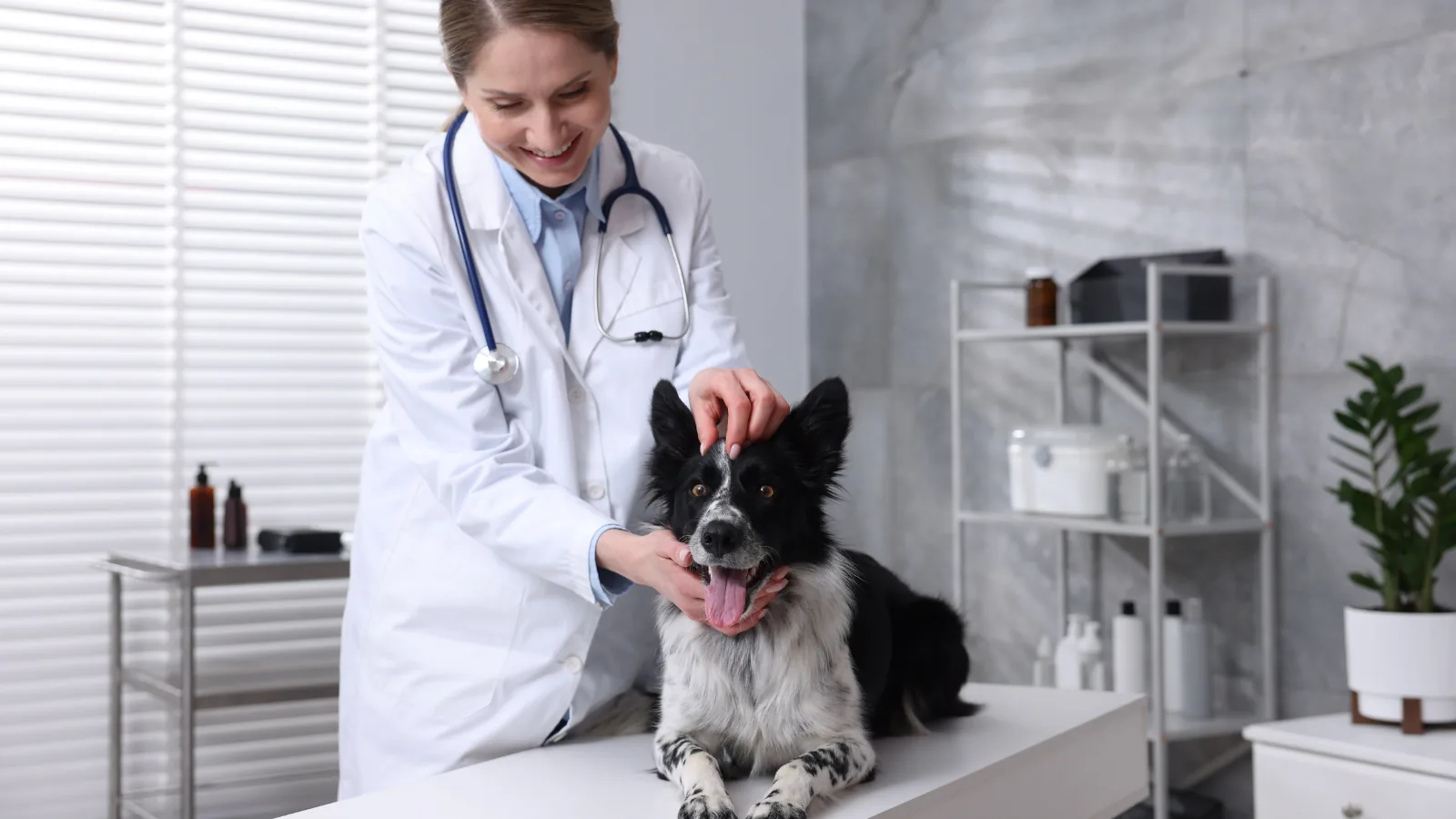

Bringing a new dog into your home in the Canton of Zurich is a moment of immense joy. Whether it's a playful puppy tumbling over your threshold or a calm senior dog finding its forever home, the companionship they offer is unparalleled. However, alongside the walks in the woods and cuddles on the sofa comes a set of administrative responsibilities. Swiss regulations, and particularly those in the Canton of Zurich, are precise and designed to ensure the welfare of animals and the harmonious coexistence of people and pets. This guide will walk you through every official step, from the moment you acquire your dog to managing life's changes, ensuring you can focus on what truly matters: building a life with your new companion.
First Steps: The Legal Foundations of Dog Ownership
Before you even think about the local dog park, there are foundational legal requirements you must meet immediately upon acquiring a dog. These rules are not optional; they are enshrined in cantonal and federal law to ensure every dog is accounted for, healthy, and traceable.
The 10-Day Rule
The most critical deadline to remember is this: you have 10 days from the day you acquire your dog to register it with your local municipality (*Gemeinde* or, in the city of Zurich, the *Kreisbüro*). This applies whether you have bought a puppy from a breeder, adopted a dog from a shelter, or brought a dog with you from another country. This short timeframe underscores the seriousness with which Swiss authorities treat animal registration.
The Microchip and AMICUS Database
Every dog in Switzerland must be identifiable by a microchip. This small transponder, about the size of a grain of rice, is implanted under the dog's skin by a veterinarian and carries a unique 15-digit identification number.
This number is useless, however, unless it is registered in the national dog database, AMICUS. This is the official central registry for all dogs in Switzerland, having replaced the previous system (ANIS).
* If you get a dog from a Swiss breeder or shelter: The dog will already be microchipped and registered in AMICUS under the breeder's or shelter's name. When you take ownership, the previous owner must report the change in AMICUS. You, as the new owner, must then confirm this change with your veterinarian, who will need your AMICUS person ID to link the dog to you. If you are a first-time dog owner, your vet will create this ID for you.
* If you import a dog from abroad: Your dog must be microchipped to enter Switzerland. Within 10 days of arriving, you must take the dog to a Swiss veterinarian. The vet will check the foreign microchip and register the dog and you in the AMICUS database.
The AMICUS registration is the backbone of your dog's official identity. It is used by municipalities, police, and veterinarians to identify lost dogs and verify ownership and compliance with regulations.
The Registration Process: A Step-by-Step Checklist
Navigating the bureaucracy can seem daunting, but it follows a logical sequence. Follow these steps to ensure your dog is registered correctly and you have fulfilled all your legal obligations.
1. Verify Microchip and AMICUS Entry: Your very first step is to visit a veterinarian in Switzerland. They will either implant a microchip (if the dog doesn't have one) or scan the existing one. Crucially, they will handle the AMICUS registration, linking the dog's microchip number to your personal details. For first-time owners, the veterinarian will create your personal ID in AMICUS. You will leave the clinic with confirmation that this critical step is complete.
2. Secure Cantonal Liability Insurance: The Canton of Zurich requires all dog owners to have specific liability insurance (*Haftpflichtversicherung*) with a minimum coverage of CHF 1 million. This is not part of your standard personal liability insurance; it must be a dedicated policy for your dog. This insurance covers damages your dog might cause to third parties, be it property damage or injury. Contact a Swiss insurance provider to arrange this policy. They will provide you with a certificate of insurance.
3. **Register with Your Municipality (*Gemeinde*):** With your AMICUS confirmation and proof of liability insurance in hand, you must now go to your local municipal office (*Gemeindehaus* or *Stadthaus*). In the city of Zurich, you go to the office for your district (*Kreisbüro*). You will need to present:
* Your personal identification (ID card or residence permit).
* The dog's pet passport (*Heimtierausweis*) or vaccination records.
* Proof of your dog's entry in the AMICUS database.
* Proof of your mandatory liability insurance.
4. **Pay the Annual Dog Tax (*Hundesteuer*):** Upon successful registration at the municipality, you will receive an invoice for the annual dog tax. This tax is levied by the municipality and contributes to the costs of public infrastructure used by dogs, such as dog waste bins and designated off-leash areas. The amount varies significantly between municipalities.
Understanding the Dog Tax (Hundesteuer) Across the Canton
The dog tax is an annual, mandatory fee levied by your local municipality. The revenue is used to fund canine-related public services. It is crucial to understand that the amount is not uniform across the canton; each municipality sets its own rate. The tax is typically due on an annual basis, and you will receive a bill automatically after the initial registration.
Here are some concrete examples of annual dog tax rates to illustrate the variance (note: these figures are for 2025/2026 and are subject to change):
* City of Zurich: The standard rate is CHF 180 per dog per year.
* Winterthur: The rate is slightly higher, at approximately CHF 190 per dog.
* Uster: The tax is around CHF 160 per dog.
* Dübendorf: The fee is approximately CHF 170 per dog.
* Horgen: The annual tax is around CHF 150 per dog.
Some municipalities may offer reduced rates or exemptions for certified assistance dogs, rescue dogs, or service dogs (e.g., police or avalanche dogs). Always check the specific regulations on your municipality's official website for the most accurate and up-to-date information.
Mandatory Liability Insurance: Protecting You and Others
In the Canton of Zurich, dog owner's liability insurance is not just a good idea—it is a legal requirement. The cantonal veterinary office mandates that every dog owner must have a policy that covers at least CHF 1 million in damages.
Why is this insurance mandatory?
Even the best-behaved dog can cause an accident. It could dart into the road causing a cyclist to swerve and crash, or it could accidentally knock over a valuable item in a shop. In more serious cases, it could injure another person or animal. The financial consequences of such events can be substantial. The mandatory insurance ensures that victims are compensated without placing an impossible financial burden on the dog owner.
What to look for in a policy:
When taking out a policy, ensure it explicitly states that it meets the requirements of the Canton of Zurich's dog laws. Most major Swiss insurance companies offer this specific product. The annual premium is generally affordable, typically ranging from CHF 25 to CHF 75 per year, depending on the provider and any additional coverage you might choose. Keep the proof of insurance in a safe place, as you may be asked to present it.
Navigating Local Regulations: Leash Laws and Beyond
Registration is only the beginning. As a responsible dog owner in Zurich, you must be aware of various local rules that govern daily life with your pet.
Cantonal Forest Leash Law
The most significant cantonal rule is the mandatory leash law in all forests and at the edge of forests. From April 1st to July 31st, all dogs must be kept on a leash. This period coincides with the breeding and rearing season for many wild animals, such as deer and ground-nesting birds. A free-roaming dog, no matter how gentle, can cause significant stress to wildlife, lead to parent animals abandoning their young, or cause direct harm. Adherence to this rule is strictly enforced by rangers and police.
Municipal Rules
Beyond the cantonal forest law, each municipality has its own set of specific regulations. These can include:
* General Leash Requirements: Many municipalities require dogs to be leashed in all public areas, including town centres, parks, and along lake or river promenades.
* Designated Off-Leash Zones: Cities like Zurich have designated zones (often marked with green signs) where dogs are permitted to run freely under voice control. It is your responsibility to know where these zones are.
* Public Transport: Dogs are generally allowed on public transport (trains, trams, buses) but must be on a short leash. You may also need to purchase a reduced-fare ticket for larger dogs.
* **"Poop and Scoop" Laws (*Kotaufnahmepflicht*):** It is a legal requirement everywhere in Switzerland to immediately pick up your dog's waste and dispose of it in a designated bin (*Robidog*). Failure to do so can result in significant fines.
Always check your local municipality's website for a detailed map or list of rules applicable in your area.
Life Changes: Moving, Selling, or Saying Goodbye
Life is not static, and the authorities require you to keep your dog's registration details up to date through any changes.
Moving
* Moving within the same municipality: You only need to update your address with the municipality's residents' registration office (*Einwohnerkontrolle*). Your dog's registration will be updated automatically. You should also update your details in AMICUS directly.
* Moving to a new municipality (within the Canton of Zurich): You must de-register at your old municipality and register at your new one within 10-14 days. You will need to present proof of your dog's AMICUS registration and liability insurance again. You will receive a final invoice (or a pro-rata refund) for the dog tax from your old municipality and a new invoice from your new one. You must also update your address in AMICUS.
* Moving to another canton or abroad: You must inform your Zurich municipality that you are leaving. They will de-register your dog. You are then responsible for complying with the registration requirements of your new canton or country. Remember to update AMICUS.
Change of Ownership
If you sell or give your dog to a new owner, you are legally required to report the change of ownership in the AMICUS database. The new owner must then confirm the transfer. You must also inform your municipality in writing, so they can stop billing you for the dog tax. The new owner then assumes all responsibility for registering the dog in their own municipality.
The Death of a Dog
Losing a pet is a difficult time, but there are two administrative steps you must take.
1. Update AMICUS: Your veterinarian must record the dog's death in the AMICUS database. This officially removes the dog from the registry.
2. Inform your municipality: You must notify your municipality of your dog's passing, providing a copy of the notification from the vet or AMICUS. This will ensure you are no longer billed for the dog tax. You may be eligible for a pro-rata refund of the tax you have already paid for the year.
Frequently Asked Questions (FAQ)
### Do I have to register a puppy?
Yes. Puppies must be microchipped and registered in AMICUS by the time they are three months old. When you acquire a puppy from a breeder, this is usually already done. You must then register the puppy with your municipality within the standard 10-day period after it comes to live with you.
### What is the process if my dog comes from another country?
Your dog must meet all federal requirements for import, including having an ISO-standard microchip, a valid rabies vaccination, and an EU pet passport or equivalent veterinary certificate. Once in Switzerland, you have 10 days to take the dog to a Swiss veterinarian. The vet will verify the microchip and register you and your dog in the AMICUS database. After that, the process of securing insurance and registering with your municipality is the same as for a Swiss dog.
### Are there mandatory dog training courses in the Canton of Zurich?
The former nationwide mandatory course (SKN or Sachkundenachweis) was abolished at the federal level in 2017. However, the Canton of Zurich retains the right to mandate training for specific situations. The cantonal veterinary office requires owners of dogs of certain large or muscular breeds (known as *Rassentyp I*) to complete specific training courses. Furthermore, if any dog exhibits aggressive behaviour or causes an incident, the authorities can order the owner to attend mandatory training. It is always advisable to attend well-regarded training courses voluntarily.
### What happens if I fail to register my dog or pay the dog tax?
Failure to comply with registration laws is a legal offence. If you are caught with an unregistered dog, you can face significant fines from both the cantonal veterinary office and your municipality. Furthermore, you will be required to complete the registration immediately and pay any backdated taxes. It can also lead to complications if your dog is lost or involved in an incident.
### Where can I find the exact dog tax and regulations for my specific town?
The definitive source is always the official website of your municipality (*Gemeinde*). Search for terms like "Hundesteuer," "Hundekontrolle," or "Tierhaltung." Alternatively, you can call or visit your local municipal office (*Gemeindehaus* or *Stadthaus*) directly. They will provide you with the exact rates, forms, and a list of local leash laws and regulations.