
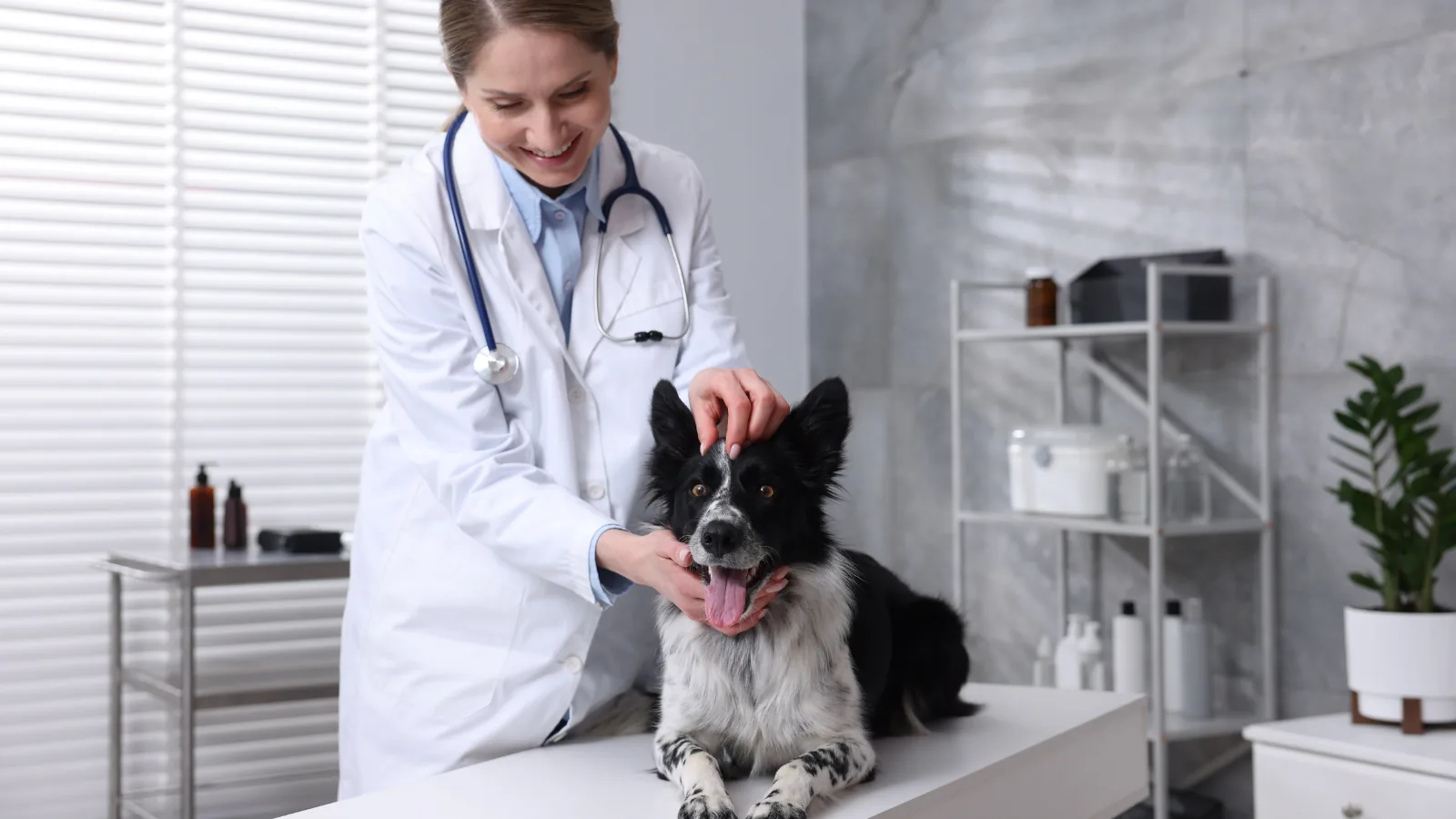
The unconditional love of a pet is one of life's greatest joys. The moment your dog greets you at the door or your cat curls up on your lap, any stress from the day seems to melt away. But this deep bond also comes with a significant responsibility, particularly a financial one. When your animal companion falls ill or gets injured, the focus is rightly on getting them the best possible care. However, the subsequent veterinary bill can be a source of considerable anxiety for many owners in Switzerland. This guide aims to demystify the costs you can expect in 2026, offering a transparent look at what treatments really cost, what factors drive the prices, and how you can prepare financially for your pet's health needs.
The Foundation: Standard Procedures and Their Price Ranges
Let's begin with the most common reasons for a visit to the veterinarian. These are the procedures that most pet owners will encounter during their animal's lifetime. The prices are not fixed by law, but are based on recommendations from the Swiss Veterinary Society (GST/SVS) and vary depending on the practice.
Routine Consultation and Vaccinations
A standard check-up is the basis of preventative care. This is where your vet assesses your pet's general health, answers your questions, and administers necessary vaccinations.
* Routine Consultation: Expect to pay between CHF 80 and CHF 150 for a basic examination without any additional diagnostics. This fee covers the veterinarian's time and expertise.
* Annual Vaccinations: For a dog (e.g., distemper, parvovirus, leptospirosis) or cat (e.g., cat flu, feline panleukopenia), the cost including the consultation typically ranges from CHF 90 to CHF 180.
Neutering and Spaying (Castration/Sterilisation)
This is a one-time surgical procedure that carries significant health and behavioural benefits. The cost varies dramatically based on the animal's species, sex, and size.
* Male Cat Neutering: This is a relatively simple procedure, costing between CHF 120 and CHF 200.
* Female Cat Spaying: A more invasive surgery, this typically costs between CHF 200 and CHF 350.
* Dog Neutering/Spaying: This is where the range is widest. Neutering a small male dog might start around CHF 400, while spaying a large-breed female dog can easily reach CHF 900 to CHF 1200 or more, as it is a major abdominal surgery requiring more anaesthetic, time, and post-operative care.
Dental Cleaning
Professional dental care is crucial for preventing serious health issues. A standard dental cleaning is performed under general anaesthesia and is much more than a simple polish.
* Dental Cleaning (without extractions): For a cat or a small to medium-sized dog, you can expect costs in the range of CHF 350 to CHF 800. This price typically includes the pre-anaesthetic check, general anaesthesia, monitoring, scaling, polishing, and a dental X-ray to check the roots. If tooth extractions are necessary, the cost will increase significantly depending on the complexity and number of teeth removed.
When Emergencies Strike: The High Cost of Unplanned Care
An accident on a Sunday evening or a sudden, severe illness outside of regular opening hours requires immediate attention from an emergency veterinary service. This speed and availability come at a premium.
An emergency consultation fee is charged simply for being seen outside of normal hours. This base fee usually starts at CHF 200 to CHF 300 and does not include any examination, diagnostics, or treatment. It is purely the cost of access to the emergency team.
From there, every subsequent action—blood tests, X-rays, ultrasound, medication, hospitalisation—is added to the bill. A case that involves an overnight stay for monitoring and intravenous fluids can quickly escalate to over CHF 1,000, even before a definitive diagnosis or surgery is performed. In the Canton of Zurich, the *Tierspital Zürich* (University Animal Hospital) is the primary reference centre for complex emergencies, operating 24/7. Their costs reflect their high level of specialisation and state-of-the-art equipment.
Complex Treatments and Surgeries: Navigating Major Expenses
For serious conditions, the costs can become substantial. These are procedures that require specialised skills, advanced equipment, and extensive post-operative care. The price range here is vast, starting from CHF 1,500 and potentially exceeding CHF 8,000.
Here are some examples of complex procedures and their typical cost brackets:
* Fracture Repair: Setting a broken bone is a complex orthopaedic surgery. Depending on the type of fracture and the size of the animal, costs can range from CHF 2,000 to CHF 5,000. This includes X-rays, the surgery itself (with plates and screws), anaesthesia, and follow-up checks.
* Cruciate Ligament Surgery (e.g., TPLO/TTA): This is a very common and highly specialised surgery for dogs with knee injuries. The cost for this procedure is rarely less than CHF 3,500 and can go up to CHF 6,000 per knee.
* Tumour Removal: The cost depends entirely on the location, size, and type of tumour. A simple skin tumour removal might cost CHF 800, while a complex internal tumour requiring a specialist surgeon and extensive imaging (CT/MRI) can easily reach CHF 5,000 to CHF 8,000.
* Advanced Diagnostics: A single MRI or CT scan, often necessary for diagnosing neurological or complex internal issues, can cost between CHF 1,200 and CHF 2,000 alone.
What Drives the Price? Factors Influencing Your Veterinary Bill
You might wonder why two clinics can charge very different prices for what seems like the same procedure. Several key factors contribute to the final cost of veterinary care in Switzerland.
* Location and Overhead: A veterinary practice in downtown Zurich has significantly higher rent and staff costs than a practice in a rural village. These overheads are naturally reflected in their pricing.
* Specialisation and Expertise: A general practitioner will have different rates than a board-certified specialist (e.g., a veterinary cardiologist, oncologist, or neurologist). You pay for their advanced training and expertise in a specific field.
* Clinic Infrastructure: A clinic equipped with an in-house laboratory, digital X-ray, ultrasound, CT scanner, and surgical suites with advanced monitoring equipment will have higher prices to cover the investment and maintenance of this technology.
* Time of Service: As mentioned, any service provided outside of standard business hours (nights, weekends, public holidays) will incur significant emergency surcharges.
* Complexity and Duration: A 30-minute procedure is inherently cheaper than a three-hour surgery. Complications during a procedure that require more time, medication, or materials will also increase the final bill.
* The Animal's Size: A Great Dane requires substantially more anaesthetic, medication, and suture material than a Chihuahua. Dosages and materials are calculated based on body weight, directly impacting the cost.
A Safety Net: How Pet Health Insurance Can Help
Given the potential for high costs, many Swiss pet owners opt for health insurance. Understanding how it works is key to making an informed decision. Pet insurance is not designed to cover every small expense, but to act as a crucial safety net for large, unexpected costs.
The core components are:
* Premium: The fixed monthly or annual amount you pay for the policy.
* Deductible (Selbstbehalt): The fixed amount you must pay out-of-pocket per year (or per incident, depending on the policy) before the insurance begins to contribute. This can range from CHF 200 to CHF 1,000 or more. A higher deductible usually means a lower premium.
* Co-payment (Selbstbeteiligung): After the deductible is met, you still pay a percentage of the remaining bill, typically 10% or 20%. The insurance covers the rest (80% or 90%).
* Coverage Limit: Most policies have an annual limit on the total amount they will pay out.
For example, imagine your dog needs a surgery costing CHF 4,000. Your insurance policy has a CHF 500 annual deductible and a 10% co-payment.
1. You pay the first CHF 500 (your deductible).
2. The remaining bill is CHF 3,500.
3. You pay 10% of this amount, which is CHF 350 (your co-payment).
4. The insurance company pays the remaining 90%, which is CHF 3,150.
Your total out-of-pocket cost is CHF 850, a significant relief compared to the full CHF 4,000.
Finding the Right Vet in Zurich: A Practical Checklist
Choosing a veterinarian is a personal decision based on trust, expertise, and accessibility. In a dense area like Canton Zurich, you have many options, from small local practices to large, multi-specialist clinics and the university hospital. Here is a step-by-step guide to help you compare and choose.
1. Verify Qualifications and Specialisations: Check the veterinarian's credentials. Are they a general practitioner (med. vet.), or do they hold a specialist title like FVH (a Swiss specialisation) or a European/American diploma? This information is usually available on the clinic's website.
2. Request a Cost Estimate (Kostenvoranschlag): For any non-emergency procedure (like a dental cleaning or planned neutering), do not hesitate to ask for a detailed cost estimate. This should break down the costs for anaesthesia, surgery, medication, and follow-up care. While it's an estimate, it provides a transparent basis for comparison.
3. Inquire About Emergency Services: Ask about their policy for after-hours care. Do they handle emergencies themselves, or do they refer you to a dedicated emergency clinic like the Tierspital Zürich or another regional centre? Knowing this in advance can save precious time in a crisis.
4. Assess Communication and Atmosphere: During a consultation, do you feel heard? Does the veterinarian explain things clearly and present you with different options? The best veterinary relationship is a partnership. The clinic should feel clean, calm, and professional.
5. Consult Reputable Directories and Reviews: Use trusted sources like Gelbe Pfoten to find clinics in your area and read reviews from other pet owners. This can provide valuable insight into the client experience.
Frequently Asked Questions
Are veterinary prices regulated by the Swiss government?
No, there is no official, government-mandated price list for veterinary services in Switzerland. The Swiss Veterinary Society (GST/SVS) publishes a fee schedule recommendation, but veterinarians are free to set their own prices based on their individual cost structure and expertise. This is why prices can vary significantly from one clinic to another.
Is it generally cheaper to go to a vet outside of a major city like Zurich?
Often, yes. Veterinary practices in rural or suburban areas tend to have lower overhead costs (rent, salaries) compared to those in prime urban locations. This can translate to more moderate pricing for routine services. However, for highly specialised procedures, you may still need to travel to a larger clinic or university hospital, regardless of location.
Why was my final bill higher than the initial cost estimate?
A cost estimate is based on a standard, uncomplicated procedure. If unforeseen issues arise during treatment—for example, a routine dental cleaning reveals that three teeth require complex surgical extraction, or a patient has an unexpected reaction to anaesthesia—the final cost will be higher. A good veterinarian will always try to inform you of any significant deviation from the estimate if possible.
Should I get pet insurance when my pet is young and healthy?
This is generally the best time to do so. Most insurance policies do not cover pre-existing conditions. Insuring your pet when it is young and healthy ensures that any conditions that develop later in life will be covered. Premiums are also typically lower for younger animals.
Can I ask to pay my vet bill in instalments?
This depends entirely on the individual clinic's policy. Some larger clinics may have arrangements with third-party financing companies, while smaller practices may require payment at the time of service. It is crucial to discuss payment options with the clinic's administration *before* a major procedure is undertaken. Never assume that instalment payments are possible.