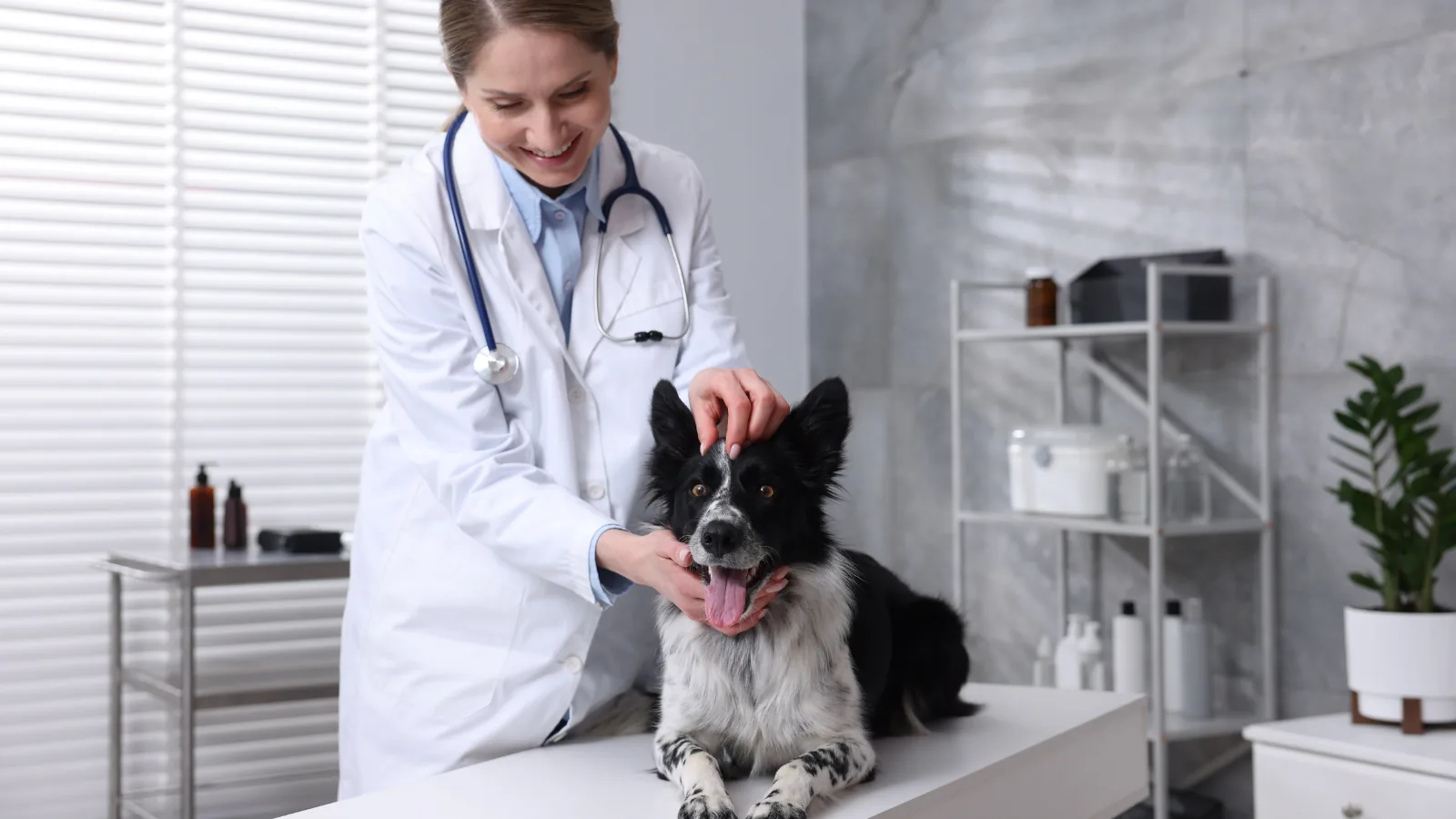

The moment every pet owner dreads: your veterinarian looks at you with a serious expression and outlines a necessary but costly medical procedure. Whether it's an emergency surgery after an accident at the Allmend Brunau or a complex diagnostic process for a sudden illness, the final bill can easily run into thousands of Swiss Francs. This is the moment the question of pet health insurance shifts from a theoretical consideration to a pressing financial reality. In a country with one of the highest standards of veterinary care in the world—and corresponding prices—protecting your four-legged family member often means protecting your finances as well. But is a monthly premium the right solution for you, or would a dedicated savings account serve you better? This guide provides a detailed, factual breakdown of how pet insurance works in Switzerland to help you make an informed decision.
How Pet Insurance Works in Switzerland: The Basics
At its core, pet insurance in Switzerland functions similarly to human health insurance, but without the mandatory component. You choose a provider, select a policy that fits your needs and budget, and pay a recurring premium, usually monthly or annually. When your pet requires veterinary care for an illness or accident, you typically pay the bill upfront at the clinic. Afterwards, you submit the detailed invoice and a claim form to your insurance company. The insurer then reimburses you for the covered costs, minus any applicable deductible or co-payment.
The Swiss market features several specialised providers, each with slightly different models:
* Traditional Insurers: Companies like Animalia (part of Vaudoise) and Epona have been in the market for a long time. They offer comprehensive but often complex policies with various levels of coverage.
* Modern & Digital Providers: Newer players like Calingo and Smile (part of Helvetia) have streamlined the process with user-friendly online platforms and more modular insurance products. You can often tailor your policy by adding or removing specific benefits.
* Household Insurance Add-ons: Some general insurance companies, such as Helvetia or Mobiliar, offer pet coverage as an optional add-on to their household or liability insurance policies. These are often more basic and may have lower coverage limits.
The fundamental principle remains the same across all providers: it is a system of risk-sharing. Your premiums contribute to a pool of funds used to pay for the high-cost, unexpected veterinary needs of all insured pets.
Deconstructing the Policy: What's Typically Covered?
When you evaluate a pet insurance policy, the scope of coverage is the most critical factor. While basic plans may only cover accidents, more comprehensive—and common—policies cover both accidents and illnesses. The goal is to protect you from significant, unforeseen expenses.
Here is a list of services typically covered by a standard pet insurance policy in Switzerland:
* Veterinary Consultations and Examinations: Costs for diagnosing an illness or injury.
* Surgical Procedures: This is the cornerstone of most policies. It includes everything from the surgeon's fee and anaesthesia to post-operative care. A common example, cruciate ligament surgery for a dog, can cost between CHF 4,000 and CHF 6,000 in the Zurich area.
* Diagnostic Testing: Essential tools for an accurate diagnosis, such as X-rays, ultrasounds, blood tests, and more advanced imaging like CT or MRI scans, which can cost upwards of CHF 2,000 per session.
* Hospitalisation: If your pet needs to stay at a clinic, for instance at the AniCura Tierklinik in Oerlikon, the costs for inpatient care are usually covered.
* Prescription Medications: Drugs required to treat a covered condition.
* Emergency and After-Hours Care: Accidents don't keep business hours. Policies generally cover the higher fees associated with emergency veterinary services.
* Complementary Therapies: Many modern policies include a budget for treatments like physiotherapy, osteopathy, or acupuncture, which are crucial for recovery after surgery or for managing chronic conditions like arthritis.
Some comprehensive plans may also offer allowances for behavioural therapy, medically necessary special diets, or even euthanasia and cremation services.
The Fine Print: Understanding Key Financial Terms
To accurately compare policies and understand what you are paying for, you must familiarise yourself with the specific terminology used by insurers. These four components determine your out-of-pocket costs and the overall value of the policy.
The Deductible (Selbstbehalt)
This is the fixed amount you must pay yourself before the insurance begins to contribute. Most policies in Switzerland operate with an annual deductible. For example, if your policy has a CHF 300 annual deductible, you are responsible for the first CHF 300 of vet bills in a policy year. After you have met this amount, the insurance starts to cover subsequent costs. A higher deductible typically results in a lower monthly premium.
The Co-payment (Selbstbeteiligung)
After your deductible is met, you will still be responsible for a percentage of every bill. This is the co-payment, which is usually 10% or 20%. For example, if you have a CHF 1,500 vet bill and have already met your deductible, with a 10% co-payment, the insurance would cover CHF 1,350, and you would pay the remaining CHF 150. This structure keeps you involved in the cost of care and helps keep premiums lower for everyone.
Annual Maximum Limit (Jahreshöchstbetrag)
This is the maximum amount the insurance company will pay out for your pet’s care within a single policy year. Limits can vary drastically, from around CHF 3,000 for basic plans to unlimited coverage on premium plans. While an "unlimited" plan sounds ideal, it comes with a significantly higher premium. When choosing a limit, consider that a single complex surgery or a bout with a serious illness like cancer can quickly exceed CHF 10,000.
Waiting Period (Wartefrist)
You cannot sign up for insurance today and make a claim tomorrow. All policies include a waiting period, which is a set amount of time after the policy starts during which coverage is not active. This is to prevent insurance fraud where someone buys a policy only after their pet has already become sick. Typical waiting periods in Switzerland are:
* Accidents: Often covered after just a few days (e.g., 48 hours).
* Illnesses: Usually 30 days.
* Specific Conditions: For issues like cruciate ligament tears or hereditary conditions, the waiting period can be much longer, often 90 days or more.
What Isn't Covered? Common Exclusions and Limitations
No insurance policy covers everything. Being aware of the exclusions is just as important as knowing what is covered. Reading the General Terms and Conditions (Allgemeine Versicherungsbedingungen, AVB) is non-negotiable.
Here are the most common exclusions you will encounter:
* Pre-existing Conditions: This is the most significant exclusion. Any illness or injury that your pet showed signs of before the policy started (including during the waiting period) will not be covered. Insurers will often request your pet's medical history from your vet to verify this.
* Hereditary and Congenital Conditions: These are health problems linked to your pet's breed or genetics, such as hip dysplasia in German Shepherds or breathing problems in French Bulldogs. Some modern policies (like Calingo) are starting to offer coverage for these, but it is often limited and may require a higher premium. Traditional policies frequently exclude them entirely.
* Preventative and Routine Care: Standard wellness care is generally not part of accident and illness insurance. This includes annual vaccinations, deworming, flea/tick prevention, and routine dental cleanings. Some providers offer separate "wellness" or "prevention" packages as an add-on for an extra fee.
* Cosmetic Procedures: Any procedure not deemed medically necessary, such as tail docking or ear cropping (which are largely prohibited in Switzerland anyway), is excluded.
* Pregnancy and Birth: Costs associated with breeding, pregnancy, and giving birth are not covered.
The Cost Factor: A Look at Monthly Premiums
The monthly premium for pet insurance in Switzerland typically ranges from CHF 30 to CHF 120. This wide range is influenced by a combination of factors related to both your pet and the policy you choose:
1. Species: Dogs are generally more expensive to insure than cats because their veterinary care, particularly for orthopedic surgery, tends to be more costly.
2. Breed: A mixed-breed cat will be at the lower end of the premium scale. A purebred dog known for specific health issues, such as a Bernese Mountain Dog (prone to cancer) or an English Bulldog (prone to respiratory and skin issues), will command a much higher premium.
3. Age: The younger your pet is when you enrol them, the lower the initial premium. Premiums increase as the pet ages, and many insurers have an upper age limit (e.g., 7 or 8 years old) for new enrolments. Once your pet is insured, the company will generally not cancel the policy due to age, but premiums will rise over time.
4. Policy Details: Your choice of deductible, co-payment, and annual limit has a direct impact on the cost. A policy with a CHF 1,000 deductible and a CHF 5,000 annual limit will be far cheaper than one with a CHF 200 deductible and unlimited coverage.
For example, a basic accident and illness policy for a young, domestic shorthair cat in Winterthur might cost around CHF 35 per month. In contrast, comprehensive coverage for a 3-year-old Labrador Retriever in the city of Zurich could be closer to CHF 90 per month.
The Verdict: Insurance vs. a Dedicated Savings Account
This brings us to the central question: is the monthly expense of insurance a worthwhile investment? The answer depends heavily on your financial situation and your personal tolerance for risk.
Pet insurance is likely a good choice if:
* You want peace of mind and predictable monthly costs.
* A sudden, unexpected vet bill of CHF 5,000 or more would cause you significant financial distress.
* You own a breed that is predisposed to expensive health problems (and you have found a policy that covers them).
* You want to ensure you can always choose the best medical treatment for your pet without cost being the primary deciding factor.
A dedicated savings account might be a better alternative if:
* You are financially disciplined and can consistently set aside CHF 100-150 per month into an account reserved exclusively for your pet's veterinary care.
* You can comfortably absorb a large, one-time expense without derailing your finances.
* Your pet is an older animal that is no longer eligible for a new policy or for whom the premiums have become prohibitively expensive.
* You own a generally healthy mixed-breed animal and are willing to accept the financial risk of a major health event yourself.
To help you decide, follow this structured approach:
A 5-Step Checklist to Make Your Decision
1. Assess Your Pet's Risk Profile: Consider its age, breed, lifestyle, and any known health sensitivities. Is it an active dog prone to injuries or a calm indoor cat?
2. Evaluate Your Financial Buffer: How much could you comfortably pay out-of-pocket for an emergency tomorrow? Be honest with yourself.
3. Get Multiple, Detailed Quotes: Use online calculators from providers like Animalia, Calingo, and Smile to get concrete premium figures for your specific pet.
4. Read the Fine Print: Scrutinise the General Terms and Conditions (AVB) of your top 2-3 choices. Pay close attention to the sections on exclusions, waiting periods, and hereditary conditions.
5. Do the Math: Calculate the annual cost of the premiums. Over 10 years, this could be CHF 6,000 to CHF 12,000. Compare this to your ability to save and the potential cost of one or two major medical events during your pet's lifetime.
Ultimately, pet insurance is not a savings plan; it is a safety net. You may pay more in premiums over your pet's life than you ever receive in claims. Or, one single catastrophic event could make the entire investment worthwhile. The right choice is the one that allows you to provide the best care for your companion without jeopardising your financial stability.
Frequently Asked Questions (FAQ)
### Can I insure my pet at any age?
Most Swiss insurers have an upper age limit for new policies, which is typically around 7 years old for dogs and 8-9 years for cats. It is therefore much easier and cheaper to insure your pet when it is young. Once insured, coverage can usually be maintained for the pet's entire life, although premiums will increase with age.
### Do I have to go to a specific veterinarian?
No. Switzerland operates on a principle of free choice of veterinarian. You can take your pet to any licensed vet in the country, including specialists and emergency clinics. The insurance will reimburse you based on the submitted invoice regardless of which clinic you visited.
### What happens if my pet needs treatment while we are travelling abroad?
Most comprehensive policies include coverage for veterinary treatment abroad, which is essential for anyone who travels with their pet. However, this coverage is usually limited in duration (e.g., for trips up to 3 or 6 months) and may have a different, often lower, reimbursement limit. Always check the specifics of your policy before travelling.
### Are routine check-ups and vaccinations covered?
In a standard accident and illness policy, no. Preventative care like annual health checks, vaccinations, parasite control, and dental scaling are considered predictable and budgetable owner responsibilities. Some insurers offer optional "prevention" or "wellness" packages at an additional cost that provide a yearly budget for these services.
### How should I handle a pre-existing condition when applying?
You must be completely transparent. Insurers will ask about your pet's medical history, and withholding information can be considered insurance fraud, which could lead to the cancellation of your policy and denial of all claims. The pre-existing condition will be explicitly excluded from coverage, but your pet will still be insured for any new, unrelated accidents and illnesses that may occur.