
The first days with a puppy tend to feel messier than expected. Between excitement, lost sleep and the first accident on the carpet, there is little time left to think about paperwork, yet a new dog in Canton Zurich starts several clocks at once. Anyone keeping a dog in the canton since June 2025 must complete a theoretical and practical training course within the first three months, a requirement many new owners only discover after the puppy has already moved in. The good news first: with a bit of structure, the first weeks are manageable, on the paperwork side and in raising the puppy itself.
Registration, microchip and the new training requirement
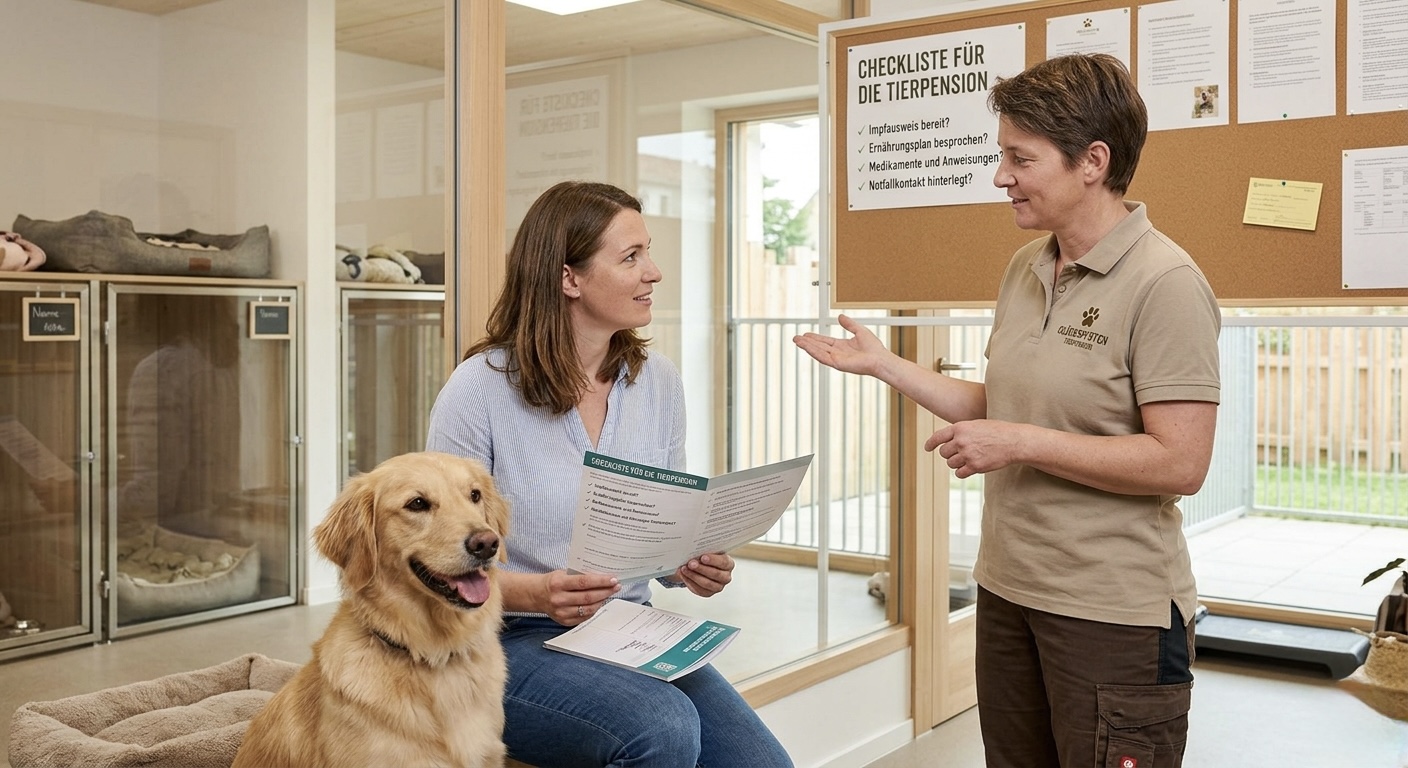
Every dog in Canton Zurich must be microchipped by a vet before the age of three months and registered with AMICUS, the national database for pets in Switzerland. After that, owners have ten days to register the dog with their municipality, whether that is Zurich itself, Winterthur or a smaller municipality like Uster, the process runs much the same everywhere. Since 1 June 2025 there is an additional requirement that did not exist before in the canton: anyone keeping a dog for at least three months must complete a theoretical and a practical training course. These courses fill up, and owners who only start looking once the puppy has already moved in often end up on a waiting list. Book the course as soon as the pickup date is confirmed with the breeder or shelter, not after the dog is already home.
The vaccination schedule leaves no room for delay
The first vaccination usually happens between six and eight weeks of age, with boosters around twelve and sixteen weeks. Puppies are vaccinated against distemper, parvovirus, hepatitis and leptospirosis, and the rabies shot is added from twelve weeks at the earliest. A puppy that seems perfectly healthy still needs these appointments, because the protection passed on through the mother's milk fades in exactly this window, without any visible sign of it. Bring the vaccination record from the breeder to the first appointment so the vet can continue the schedule without gaps, and do not push back a visit out of convenience.
Socialisation: a window that does not reopen
The period between four and sixteen weeks shapes a dog more than anything that comes afterward. Whatever a puppy does not encounter during this window often turns into a source of fear later, whether that is the tram in Oerlikon, a wheelchair, a bicycle or simply a crowd at Zurich main station. At the same time, the puppy is only partly protected before the final vaccination, which is why the dog park or a large off leash meadow should stay off limits for now. The answer sits in between: short, controlled outings carried in arms or on a short leash, calm walks along the lower paths of the Uetliberg, a coffee outside, contact with individual dogs that are vaccinated and known. Keeping a puppy at home for the first four months out of caution does it no favours. The risk of a behavioural problem later tends to outweigh the risk of infection, as long as the encounters are chosen sensibly.
Sleep, feeding and the first house rules
An eight week old puppy sleeps up to twenty hours a day, and that sleep is not incidental, it is part of development. An overtired puppy often looks wound up rather than calm, a mix up many owners only figure out after a few weeks. Feeding works best as three to four small meals a day at fixed times, with puppy food matched to the breed and expected size. Exercise should stay deliberately short, a rough rule of thumb is five minutes of walking per month of age, twice a day, since the growth plates are still open in these first months and overworked joints do not forgive it later. House training goes fastest with consistency: outside after sleeping, after eating and after playing, every time, no exceptions.
Where puppies can safely meet other dogs in Canton Zurich
Small, supervised puppy groups work far better than an open dog meadow in the first weeks. Dog schools in Dubendorf, Uster and Winterthur run these groups regularly, usually with no more than five or six puppies of a similar age and a trainer who steps in before play tips over into something rougher. This is not a luxury, it is one of the few settings where social contact and safety happen at the same time. Owners looking to cover the mandatory training at the same time can often combine both, many providers in the canton build puppy classes directly into the required course.
The most common mistakes of the first weeks
Most problems come from good intentions taken too far rather than neglect. Walks that run too long, too many new stimuli packed into one day, a vet appointment pushed back two weeks because time ran short, punishing fear based behaviour instead of recognising it for what it is. The training requirement gets underestimated too, often booked only once the deadline is already close. Owners who instead sketch out a rough plan from day one, vaccination dates in the calendar, an eye on socialisation, clear household rules, save themselves a lot of cleanup in the months that follow.
The first weeks with a puppy are exhausting, there is no way around that. They are also the weeks that set the course for most of a dog's life. Owners who take them seriously, on the paperwork side and the upbringing side alike, end up with a lot less to fix later.
Looking for the right puppy school or trainer to cover the mandatory training in Canton Zurich?