
Winter in Canton Zurich brings snow, ice, road salt and temperatures that can drop well below freezing. For your dog, this season brings specific challenges that go far beyond a warm coat. This guide covers everything you need to know to keep your pet healthy, comfortable and active during the coldest months of the year.
Paws Are the First Priority
Direct contact with the ground makes paws the most vulnerable part of your dog in winter. The gritting salt spread on roads in Zurich and the surrounding area is effective against ice, but it is corrosive to the sensitive skin on your dog's paws.
After every walk, wash your dog's paws with lukewarm water. Pay particular attention to the spaces between the toes, where salt and small pieces of ice tend to accumulate. A quality paw balm applied regularly creates a protective barrier that reduces irritation and keeps the skin supple.
If your dog shows signs of discomfort when walking, lifts its paws alternately, licks excessively or hesitates before stepping down, it may be a sign that the paws need immediate attention.
A Well-Groomed Coat Protects Against the Cold
Your dog's coat is its natural insulation. A clean, brushed and tangle-free coat insulates far better than a matted or dirty one, which can trap moisture against the skin and encourage irritation.
Brush your dog regularly throughout winter, especially if it spends time in snow or mud. After wet walks, dry the coat thoroughly before letting your dog rest, paying extra attention to the belly, armpits and groin area, which dry more slowly.
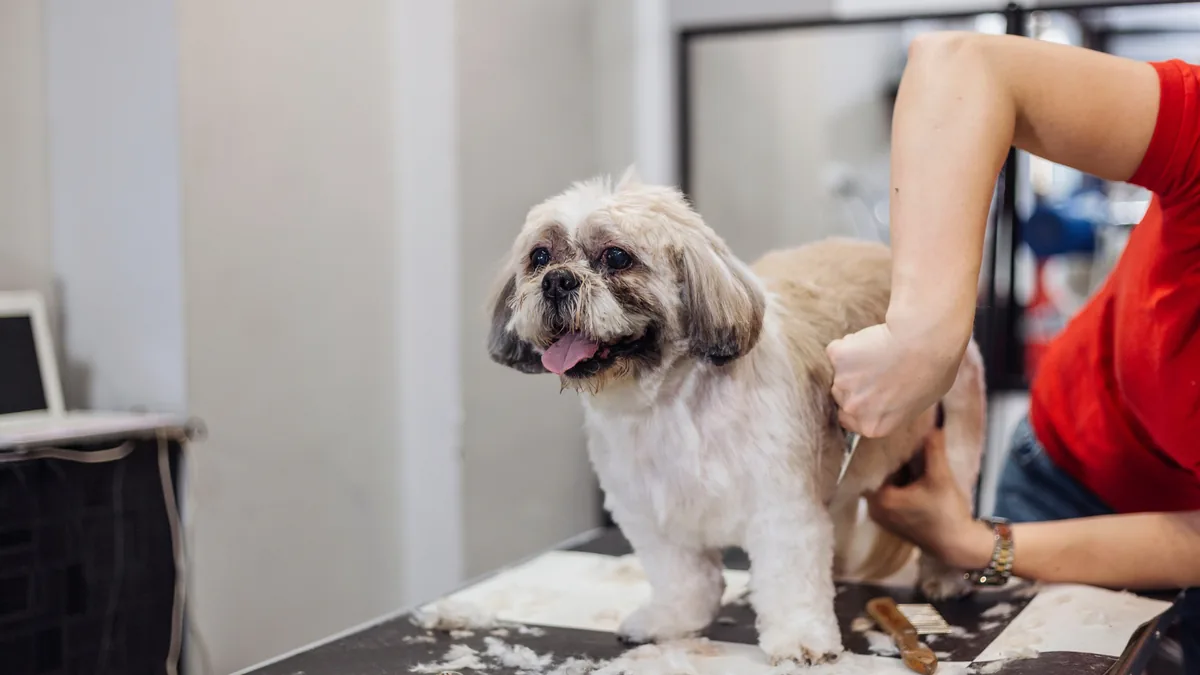
An important note for owners of long-haired breeds in Zurich: the fur that grows between the toe pads easily collects snowballs and ice clumps in winter. Trimming this fur regularly during the winter months significantly reduces discomfort.
Nutrition: Winter Demands More Energy
Active dogs that continue to exercise regularly in cold weather burn more calories than in summer. The body works harder to maintain its temperature, and this is reflected in the animal's energy needs.
If your dog is very active and spends a lot of time outdoors, it may be worth slightly increasing the amount of food during the colder months. If you are unsure about the right quantity for your dog's breed and weight, consult your vet in Zurich.
On the other hand, less active dogs that spend most of winter indoors may need less food. Excess weight is just as much of an issue in winter as at any other time of year.
Exercise: Less Does Not Mean None
The temptation to shorten walks in winter is understandable, but regular exercise is essential for your dog's physical and mental health, regardless of the temperature.
A practical strategy for cold days in Zurich is to take shorter but more frequent walks. Instead of one long outing in the morning, opt for three or four shorter ones spread throughout the day. This keeps your dog active without exposing it to the cold for too long.
On frosty days or in heavy snow, prefer areas with less road salt. Parks like the Üetliberg or the shores of Lake Zurich offer more natural surfaces with less chemical treatment.
Take care near lakes and rivers: dogs that love to swim often underestimate the danger of icy water. Always supervise swimming in natural settings during winter.
Dog Clothing: When It Actually Makes Sense
Not every dog needs clothing in winter, but for some a coat can make a real difference.
The dogs that benefit most from extra protection are short-haired breeds such as Boxers, Dachshunds or Greyhounds, older dogs with reduced ability to regulate body temperature, and smaller animals with less body mass to retain heat.
Breeds with a dense double coat such as Huskies, Bernese Mountain Dogs or Border Collies generally do not need additional clothing and may even overheat if they wear it.
If you choose a coat, make sure it fits well without restricting movement, covers the torso (the most important area) and is easy to put on and take off. In Zurich you will find specialist pet accessory shops in the Wiedikon neighbourhood and around the Niederdorf area.
Signs That Your Dog Is Too Cold
Know the signals that your dog is too cold and needs to go home:
Important: Prolonged exposure to extreme cold carries a real risk of hypothermia. If you suspect your dog is hypothermic, warm it gradually with a blanket and contact your vet in Zurich or an emergency clinic immediately.
Getting Through Winter Well
On Gelbe Pfoten you will find a selection of grooming professionals, vets and dog sitters in Canton Zurich to support you and your dog even during the coldest time of year.
Discover care services in Canton Zurich
With the right preparation, winter can be one of the most beautiful seasons for walks with your dog in Zurich.